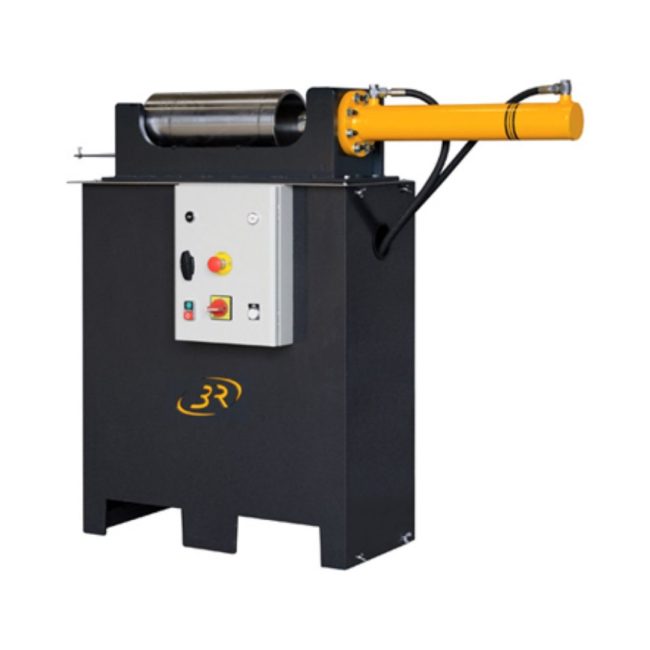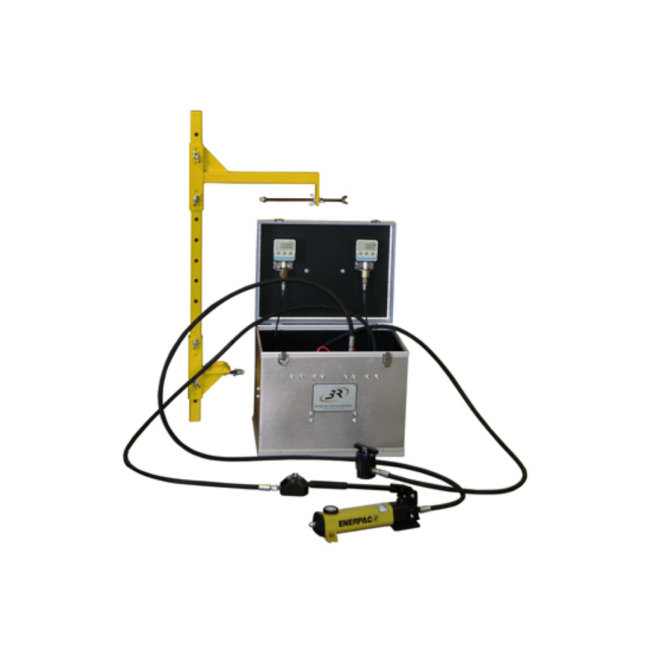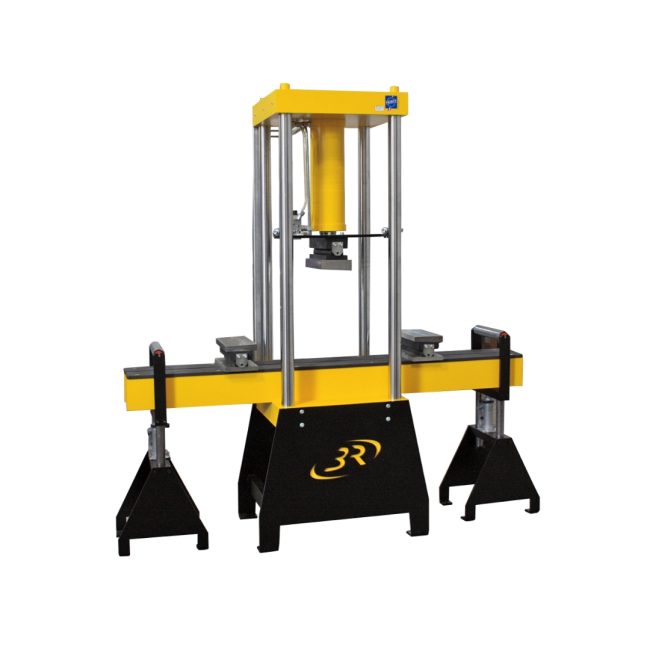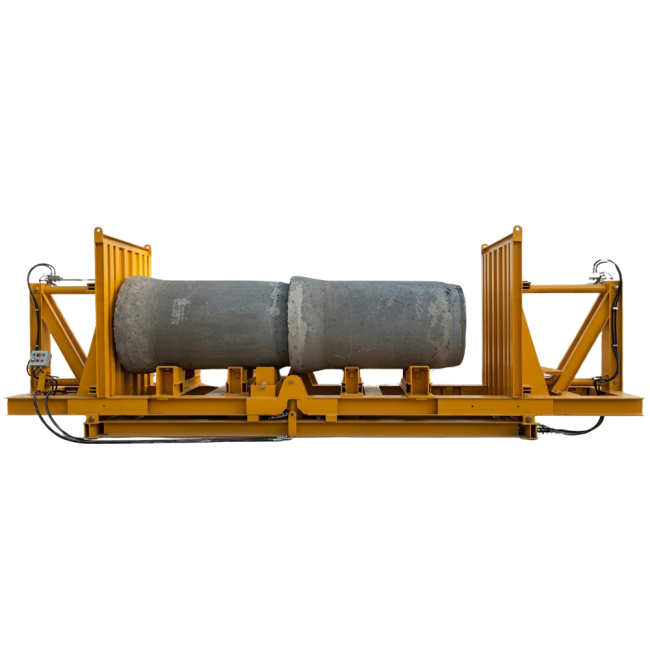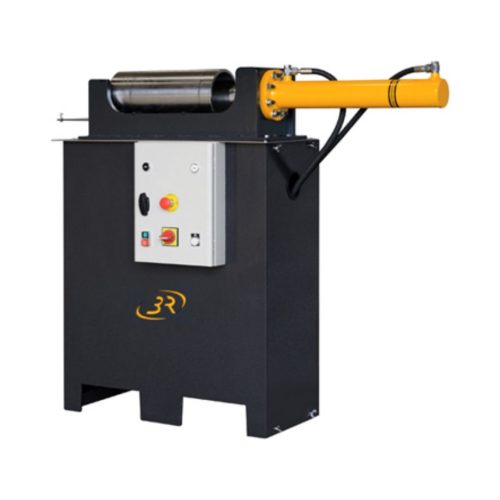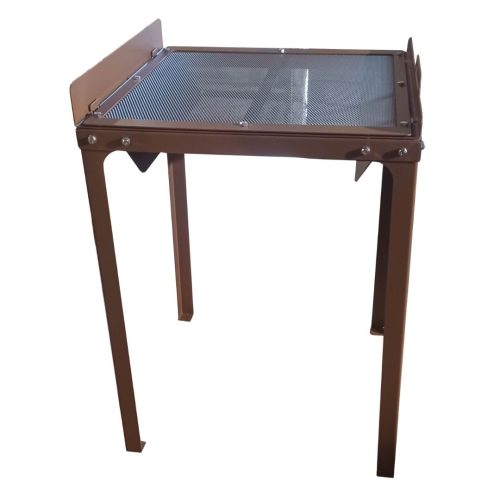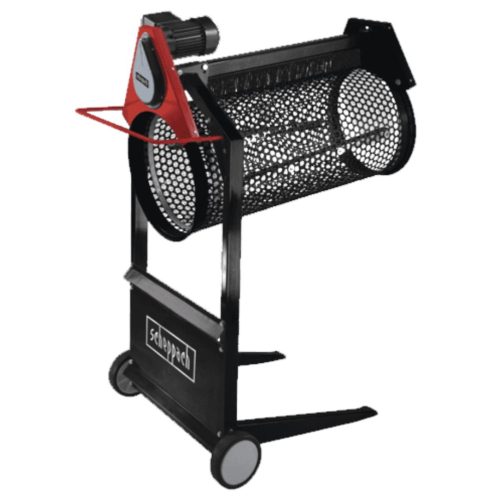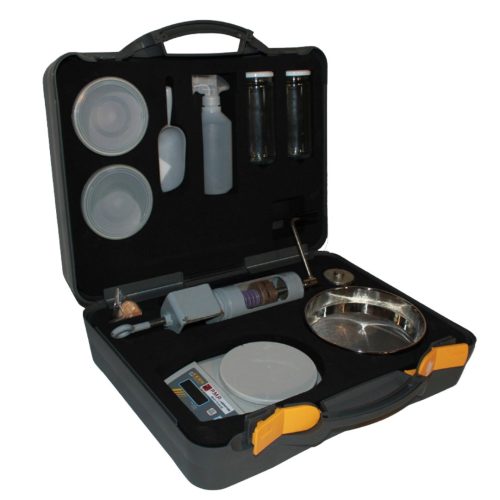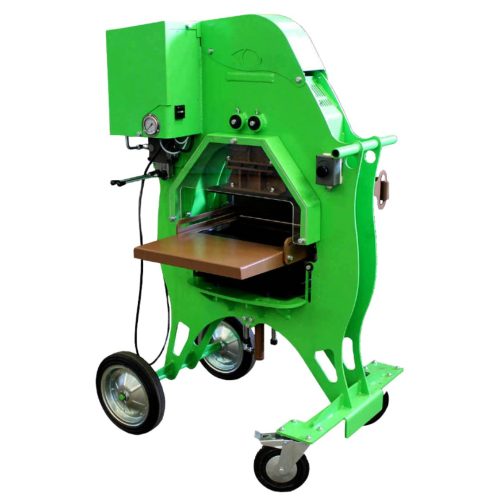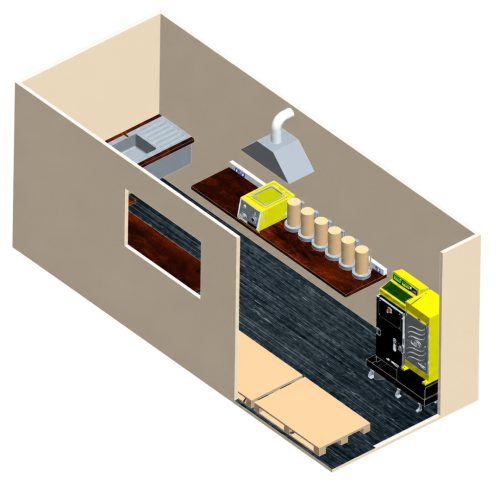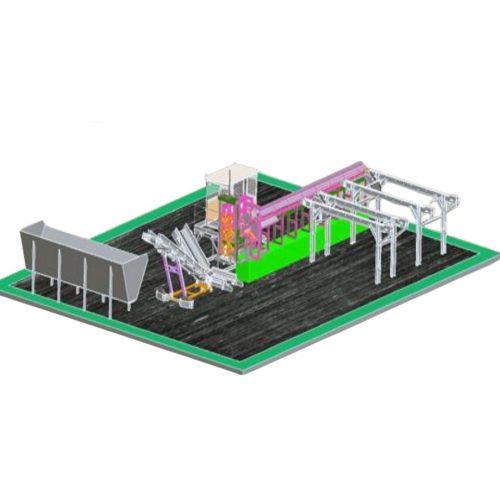
Special machines for civil engineering testing: watertightness test rig, Duriez specimen demoulding press and pull-out test fixture for specific laboratory or product testing.
Test type
Brands
Special testing machines for civil engineering meet specific testing requirements that are not always covered by conventional compression or flexural tests.
This category includes the watertightness test rig, used to assess the pressure resistance and watertightness of products under controlled conditions; the 200 kN Duriez specimen demoulding press, designed to facilitate specimen removal while reducing the risk of damage; and the pull-out test fixture for rings and steps, used to measure anchor resistance under representative installation conditions.
This equipment is intended for civil engineering laboratories, concrete product manufacturers, technical centres and quality control departments seeking reliable solutions to improve testing procedures, working conditions and product conformity checks before products are put into service.
The range includes machines for compression, flexural, splitting and application-specific testing of concrete, cement, mortar, blocks and precast products.
This equipment is used by concrete laboratories, ready-mixed concrete plants, cement plants, technical centres, universities and inspection bodies. The main selection criteria are load capacity, specimen type, level of automation, control system and compliance with applicable standards.
Brands
Standards