Introduction
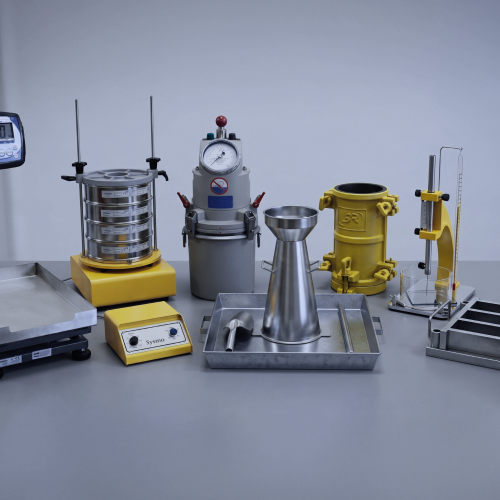
In a concrete laboratory, test reliability does not depend solely on the compression testing machine or other testing machines. Small concrete laboratory apparatus plays an essential role at every stage, including material preparation, fresh concrete testing, specimen preparation, curing and routine measurements.
For a civil engineering laboratory, ready-mixed concrete batching plant, precast concrete manufacturer or inspection body, having the right apparatus saves time, reduces handling errors and helps ensure reliable test results.
Equipment for material preparation
The quality of a test begins before any measurement is taken. Poorly prepared or insufficiently homogenised material can affect the interpretation of the results, even when a high-performance testing machine is used.
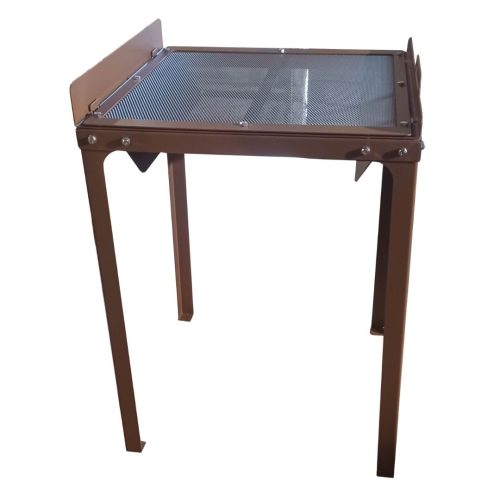
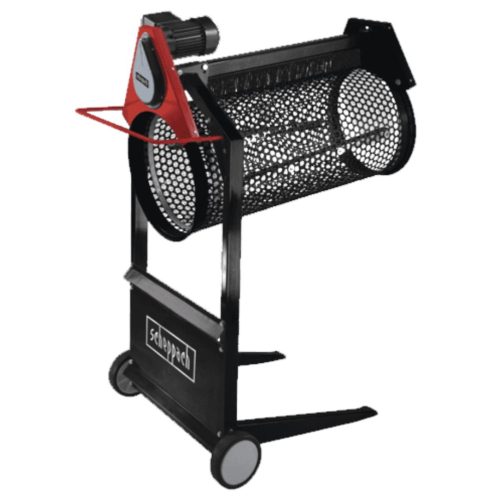
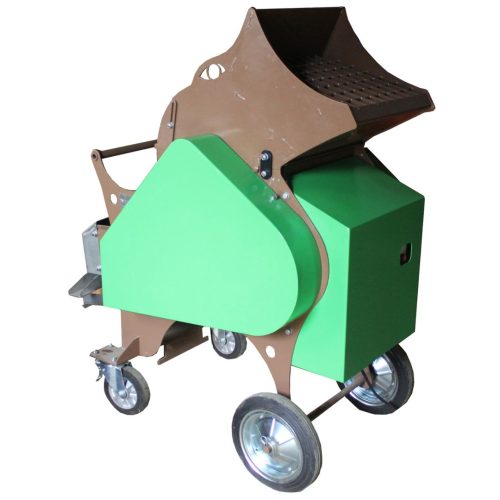
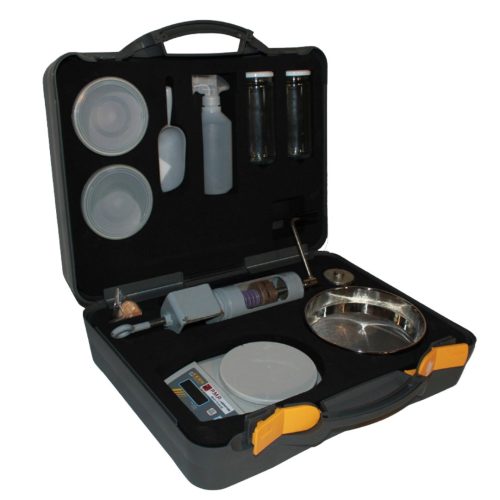
Preparation equipment is used to handle, divide, weigh and check materials before testing. Depending on the laboratory’s activities, useful apparatus may include:
- sampling trays
- laboratory buckets and scoops
- test sieves
- sieve shaker
- sample splitter
- laboratory balance
- concrete mixer
This equipment is particularly important for laboratories working with concrete, aggregates, cement and mortar.
Equipment for fresh concrete testing
Fresh concrete testing is used to assess concrete before it hardens, including its consistency, flowability, workability, stability and entrained air content.
The most commonly used apparatus includes :
- slump cone for measuring slump
- slump table for assessing flowability
- concrete air meter for measuring air content
- Vebe consistometer for certain low-workability concretes
- L-box and V-funnel for self-compacting concrete
- concrete thermometer for monitoring material temperature
These checks are useful at concrete batching plants, testing laboratories, precast concrete facilities and construction sites where the consistency of fresh concrete must be verified quickly.
Equipment for preparing concrete specimens
Specimen preparation has a direct impact on the reliability of subsequent mechanical testing, including compression, splitting tensile and flexural testing. Specimens must be uniform, correctly compacted and suitable for the relevant testing procedure.
The laboratory should therefore be equipped with items such as :
- concrete cube moulds
- concrete cylinder moulds
- concrete prism moulds
- cardboard or plastic moulds
- concrete vibrating table
- internal vibrator
- strike-off bar
The choice of mould depends on the specimen dimensions and the type of testing being carried out. Vibration or compaction must also be suited to the concrete and the applicable method.
Equipment for curing concrete specimens
After preparation, specimens must be cured under controlled conditions before testing. This stage is often underestimated, even though it has a direct impact on the reliability of the results.
Depending on the laboratory’s organisation, several types of equipment may be required :
- curing tank for concrete specimens
- temperature control unit
- site curing box
- specimen transport trolley
- curing cabinet
The objective is to minimise variations in temperature, humidity and handling between specimen preparation and mechanical testing.
Routine measuring instruments
Concrete laboratories also use a wide range of simple but essential measuring instruments. These are used to check dimensions, mass, temperature, humidity and time, and they contribute to test traceability.
Common instruments include :
- laboratory balance
- vernier calliper
- comparator
- concrete thermometer
- thermo-hygrometer
- stopwatch
- density meter
Although they may appear secondary, these instruments contribute to consistent laboratory practices and to the quality of routine testing.
Summary of essential small equipment for a concrete laboratory
The table below summarises the main laboratory testing stages and the associated equipment.
| Stages | Useful equipment |
|---|---|
| Material preparation | Sampling trays, buckets, laboratory scoops, concrete mixer, laboratory balance |
| Aggregate testing | Test sieves, sieve shaker, sample splitter, balance, drying equipment |
| Fresh concrete testing | Slump cone, slump table, concrete air meter, Vebe consistometer, L-box, V-funnel, concrete thermometer |
| Specimen preparation | Concrete cube moulds, concrete cylinder moulds, concrete prism moulds, cardboard or plastic moulds, strike-off bar |
| Specimen compaction | Concrete vibrating table, internal vibrator, filling and vibration accessories |
| Specimen curing | Curing tank for concrete specimens, temperature control unit, site curing box, transport trolley, curing cabinet |
| Routine measurements | Laboratory balance, vernier calliper, comparator, thermo-hygrometer, moisture meter, stopwatch, density meter, pH meter |
| Preparation before mechanical testing | Concrete specimen capping kit, concrete specimen grinding machine, cleaning and handling accessories |
| On-site testing and monitoring | Concrete rebound hammer, rebar detector, crack width measuring microscope, transport cases |
Conclusion
Small concrete laboratory apparatus plays a direct role in test quality. Material preparation, fresh concrete testing, specimen preparation, curing and measurement all require suitable equipment to ensure reliable handling procedures and test results.
Are you looking to equip, expand or upgrade a concrete laboratory? 3R Industries can help you define a list of apparatus suited to your testing requirements, activity level and laboratory constraints.